
 how-to
7 Steps That Decide How Long Probate Takes for a Simple Estate
Last Updated: 25 October 2026
Quick Summary
Probate for a simple estate usually takes a few months from application to grant, with the grant typically arriving within that window. Most of the wait is spent gathering asset and debt details rather than on Probate Service processing, and distribution usually follows within a few months of the grant.
- Valuing the estate typically takes 2-6 weeks before you can apply.
- The Probate Service review and grant issue usually takes several weeks.
- Administering the estate after the grant typically takes 1-6 months.
- Missing account numbers or valuations are a common cause of applications being sent back.
- Executors should settle debts and funeral costs before distributing to beneficiaries.
Table of Contents
- What a Simple Estate Means for the Probate Timeline
- How Long Does It Take to Get Probate?
- The Seven Steps That Set the Pace
- What Happens After Probate Is Granted?
- How Long After Probate Can an Estate Be Distributed?
- What Delays Probate and How to Avoid Them
- Planning Ahead So Your Family Avoids the Wait
- Frequently Asked Questions
What a Simple Estate Means for the Probate Timeline
Probate for a simple estate usually takes far less time than people fear. When there is a valid will, one executor, no property complications and no disputes, the process tends to move steadily from start to finish.
At Staniland Estate Protection, we explain probate for a simple estate as the legal step that confirms who has the right to deal with someone's money, property and possessions after they die. A simple estate typically has:
- A valid, up-to-date will
- Assets held in one or two banks or building societies
- No property, or one property sold or transferred without a dispute
- No inheritance tax to work out
- One or two willing executors
- No family disagreement about who gets what
The more of these boxes an estate ticks, the more predictable the timeline becomes. Complexity is what stretches probate, not the paperwork itself.
How Long Does It Take to Get Probate?
How long does it take to get probate on a straightforward estate? In most simple cases, the grant arrives within a few months of the executor applying, though the full picture depends on how quickly the estate's details can be gathered.
The waiting time splits into two parts. First, the executor must collect information on every asset and debt. Second, the Probate Service reviews the application and issues the grant. Both stages have their own pace, and neither can be rushed by chasing alone.
What the Waiting Time Actually Consists Of
The bulk of the wait is preparation, not government processing. Gathering bank statements, share valuations and pension details often takes longer than people expect, especially when institutions respond slowly.
A common mistake is assuming the clock starts when the person dies. In practice, it starts when the executor has everything needed to apply. The official guidance on applying for probate sets out what the application requires, and missing documents are the most frequent cause of hold-ups.
The Seven Steps That Set the Pace
Here is the sequence we walk clients through, and the rough shape of each stage. Timings vary with the estate, but this is the rhythm a simple case tends to follow.
| Step | What Happens | Typical Timeframe |
|---|---|---|
| 1. Locate the will | Confirm the latest valid will and named executors | Days |
| 2. Value the estate | List assets and debts, obtain valuations | 2-6 weeks |
| 3. Report to HMRC | Complete the inheritance tax account if required | 1-3 weeks |
| 4. Apply for probate | Submit the application and supporting documents | Days to submit |
| 5. Probate Service review | Application checked and grant issued | Several weeks |
| 6. Receive the grant | Executors gain legal authority | On issue |
| 7. Administer the estate | Pay debts, then distribute to beneficiaries | 1-6 months |
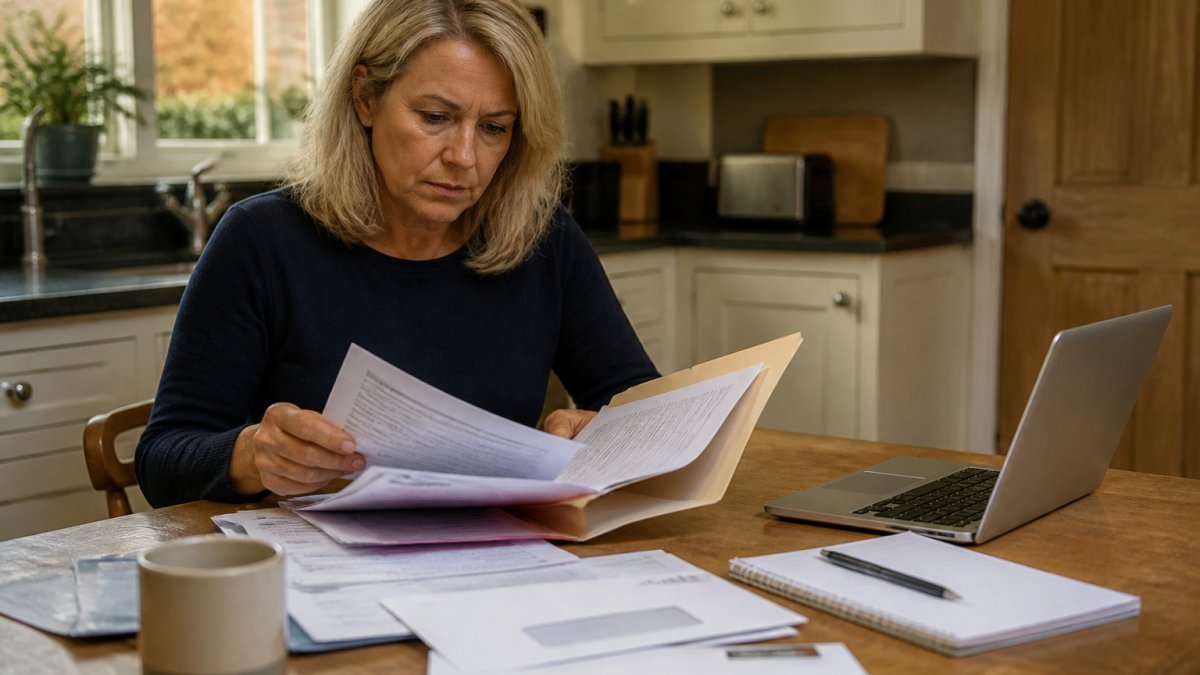
From First Instruction to Grant
The stretch from first instruction to grant is where most of the calendar time sits. A tidy estate with complete records can move quickly. Missing paperwork, an unclear will or a slow bank response adds weeks.
If you are managing a relative's estate and want a clearer route through these stages, our guide on the best ways to manage probate for a family member walks through the practical side in more detail.
What Happens After Probate Is Granted?
Once the grant is issued, the executor can finally act. Probate is the legal authority to deal with the estate, and nothing can be sold, closed or transferred without it.
After the grant, the executor should:
- Notify banks, building societies and pension providers
- Settle outstanding debts, bills and funeral costs
- Sell or transfer property if the estate holds any
- Prepare estate accounts
- Distribute what remains to the beneficiaries
The government guidance for executors confirms that the grant is the point at which an executor's authority becomes official. Before that, most institutions will not act.
How Long After Probate Can an Estate Be Distributed?
Distribution usually follows within a few months of the grant, but there is a sensible pause first. Executors often wait to confirm no debts or claims are outstanding before paying beneficiaries.
The usual order is debts first, then distribution. That means funeral costs, outstanding bills and any tax due are settled before anyone receives a share (Dealing with a deceased person's money and property). Rushing this step is a common error, because a later claim can leave the executor personally exposed.
For simple estates with no property and no tax, distribution can happen quite soon after the grant. Where a house must be sold, the wait extends until the sale completes.
What Delays Probate and How to Avoid Them
Delays almost always trace back to information gaps, not the Probate Service. Knowing where cases stall lets you get ahead of them.
Watch out for these common hold-ups:
- No will, or an out-of-date one. Dying without a will slows everything, because the intestacy rules decide who inherits rather than the family. If that is your situation, our article on what happens if you die without a will explains how those rules work.
- Incomplete asset records. Missing account numbers or valuations send applications back.
- Unclear or disputed wills. Any challenge stops progress until resolved.
- Multiple executors who disagree. Even small disagreements add time.
- Property that needs selling. A sale can take months on its own.
The simplest defence is preparation. A clear, current will and an organised record of assets remove most of the friction before it starts.
Planning Ahead So Your Family Avoids the Wait
The most effective way to shorten probate is to plan before it is needed. A well-drafted will, clear records and named executors turn a stressful process into a manageable one.
We see the difference this makes constantly. Families who plan ahead spend far less time chasing paperwork and far more time supporting each other. Our wills service lets you put the right documents in place now, in plain English and tailored to your circumstances.
If you would like to talk it through, you can book a free consultation with us and get clear, jargon-free advice on wills, trusts and lasting powers of attorney. Daniel Staniland LLB and the team guide you through every step, so your wishes are documented and your family is protected.
Frequently Asked Questions
How long does probate take for a simple estate?
For a straightforward estate with a valid will, no inheritance tax to pay and no disputes, the grant of probate typically arrives within a few months of the application being submitted. Add the time needed to gather documents and complete the forms before applying, plus the administration afterwards, and most simple estates are fully wound up within six to twelve months. Anything unusual, such as a missing beneficiary or an uncooperative bank, extends that.
Can an executor distribute an estate before probate is complete?
No. The grant of probate is what gives you the legal authority to deal with the estate's assets, so distributions must wait until it arrives. Paying beneficiaries early leaves you personally liable if a creditor or an overlooked beneficiary later makes a claim. Once the grant is issued, you still need to collect in assets, settle debts and allow for any tax before paying out, so the distribution stage adds further weeks to the process.
What delays probate for a simple estate?
The most common causes are an incorrectly completed application, which is returned for correction, and a missing or unclear will. Banks and building societies can be slow to provide valuations, and HM Revenue and Customs may query an inheritance tax account. Disagreements between beneficiaries, unclaimed assets and property that will not sell all add time. Getting the paperwork checked before submission is the single most effective way to keep a simple estate moving.
Does every estate need probate?
No. Probate is only needed where the estate holds assets that the institutions holding them will not release without a grant, such as a property held in the deceased's sole name or sizeable bank balances. Estates held jointly, or where everything passes to a surviving spouse or civil partner, often avoid it entirely. Whether a grant is required depends on how the assets are owned, so it is worth checking before assuming probate applies.
Probate does not have to be a source of anxiety. With the right planning, a simple estate can be settled without unnecessary delay or stress. Staniland Estate Protection offers tailored estate planning, comprehensive reviews and straightforward advice to help you safeguard your assets and give your loved ones lasting peace of mind. Get started with Staniland Estate Protection and put a clear plan in place today.